About us
El Hilo y el Baobab association
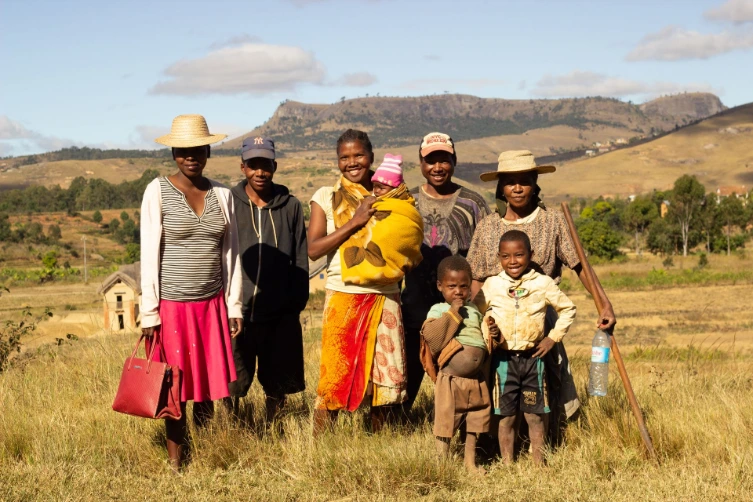
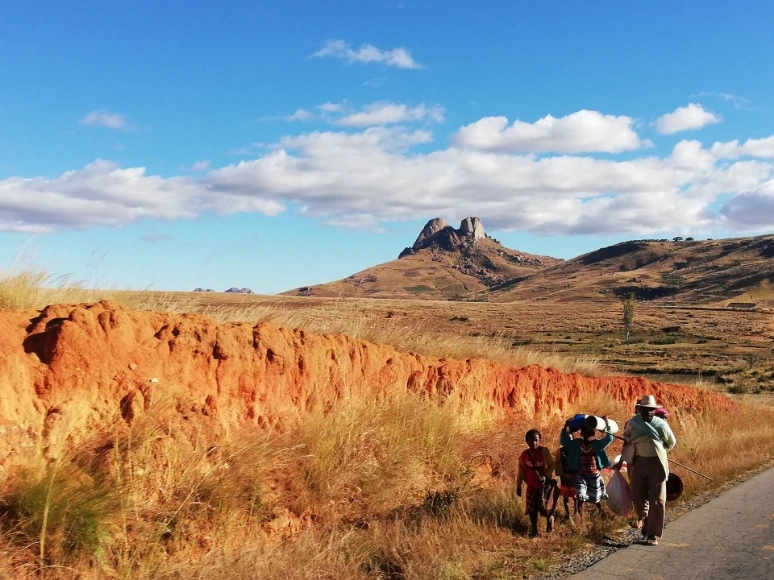
We are committed to improving living conditions and supporting the development of several families in Madagascar. It is one of the countries with the lowest GDP per capita in the world, where more than 75% of the population live below the poverty line—particularly in rural areas—facing severe shortages in infrastructure, education, and access to basic services. We believe in the power of education and decent work as key tools for creating opportunities and fostering local development.
In March 2023, we formally became a non-profit association with the aim of promoting various projects within a legal framework that would allow us to coordinate and ensure continuity for the initiatives we had already been developing.
Our statutes focus primarily on two main areas of action:
- Job creation through the production of embroidered handmade goods.
- Support for education and schooling of children.
Objectives of the Association
- To promote employability in the town of Mangily, Madagascar.
- To provide vocational skills and encourage the discovery and development of abilities among people who, due to their social circumstances, have not had access to professional training.
- To prioritize employment and paid work as a means of generating income, avoiding charitable practices that contribute to the perpetuation of inequality.
- To strengthen self-esteem, a sense of purpose, and dignity among individuals and families living in situations of economic and social vulnerability.
- To foster family conditions that allow access to adequate nutrition and contribute to the prevention of malnutrition.
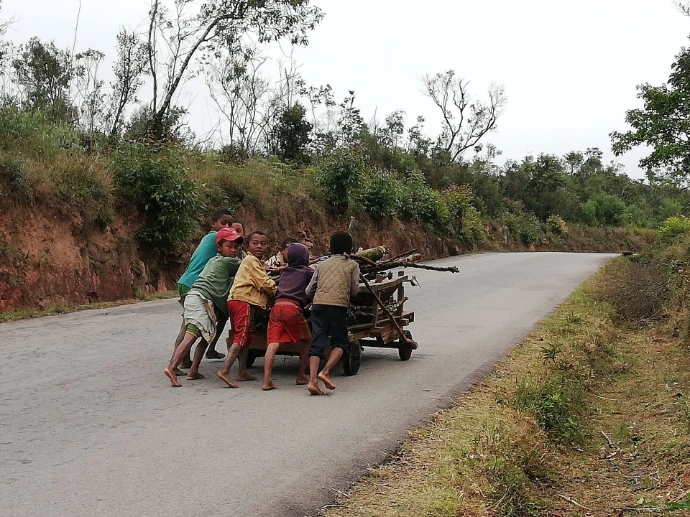
- To support families in preventing child labor and in protecting adolescent girls from situations of exploitation linked to economic hardship.
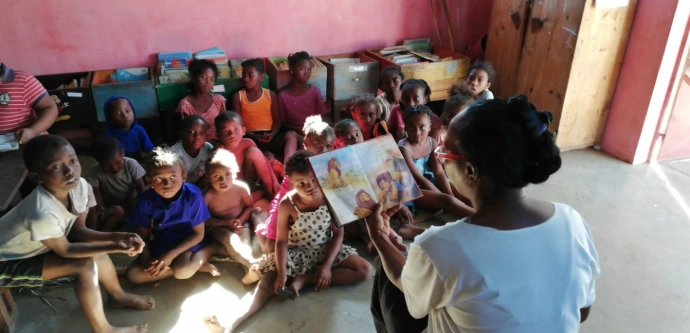
- To promote school attendance for children, in coordination with the French Expression School La Marmaille.
- To build a bridge of exchange and mutual understanding between Madagascar and Spain, helping to raise awareness not only of the country’s challenges, but also of its cultural, historical, and natural richness.
The Beginnings
by Sara Olleros Rodríguez
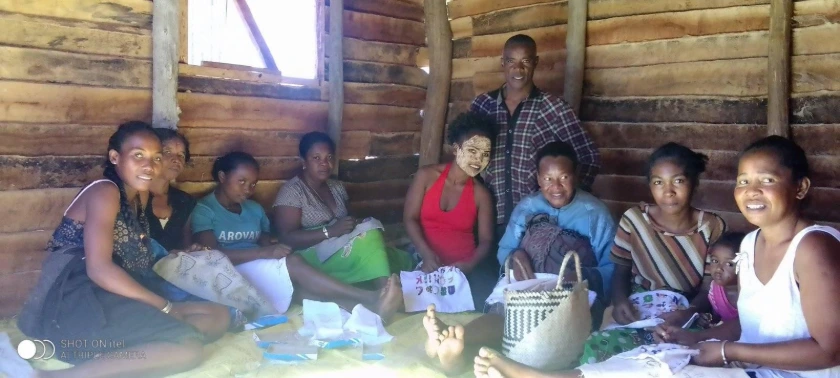
During the summer of 2018, I spent several weeks in a small coastal village in southern Madagascar called Mangily. There, I had the opportunity to live alongside the local community and formed friendships with several women and a fisherman, Sollicité, with whom I remained in contact after my stay.
During those weeks, I became aware of some of the problems associated with poverty that affect a large part of the country’s population: child malnutrition, low levels of schooling, child labor, and the risk of sexual exploitation of adolescent girls linked to certain types of tourism.In the summer of 2019, I was able to return with my cousin Manu Cid, a filmmaker, with the intention of producing a short documentary film to help shed light on these issues. The documentary, featuring the fisherman, was titled Vezo (which in Malagasy means “Those who deal with the sea”) and has received recognition at several film festivals.
In 2020, as a result of the pandemic, the island of Madagascar was completely closed to tourism. The women told me they were facing food shortages. After several months of sending financial support—and being aware that this solution would not be sustainable in the long term—the idea emerged to launch a project that would generate the necessary resources through paid work. The women and the fisherman organized themselves, and this is how El hilo y el baobab began its journey.
The Hut
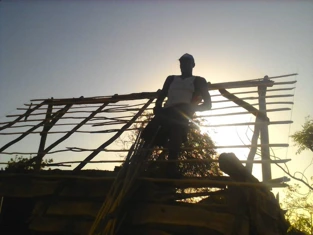
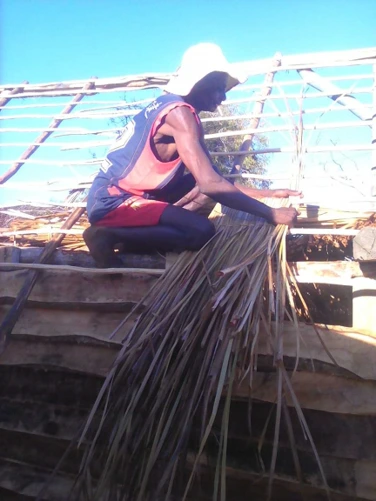
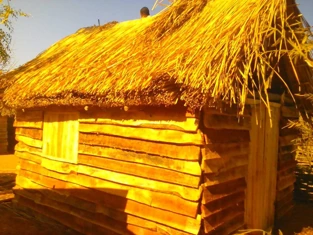
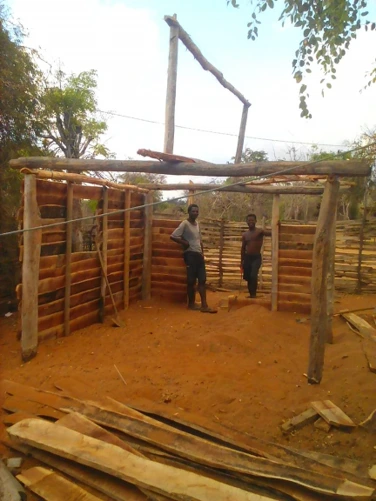
Sollicité, together with three colleagues, built a hut to serve as the project’s workspace.
The First Days
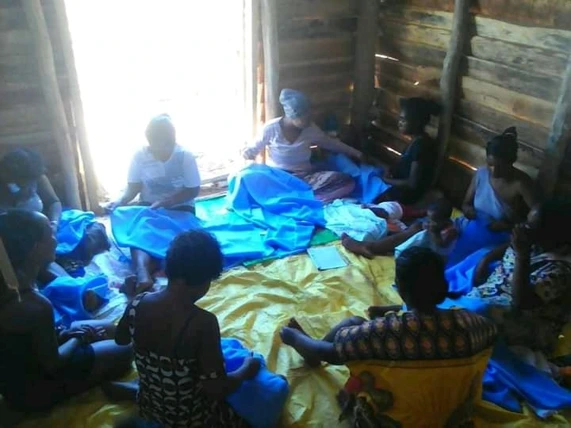
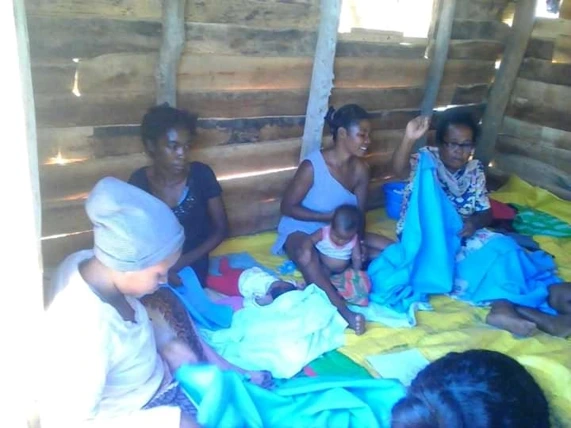
These photos serve as a reminder and as a record of the project’s very first days.
The Beginnings
by Sara Olleros Rodríguez
During the summer of 2018, I spent several weeks in a small coastal village in southern Madagascar called Mangily. There, I had the opportunity to live alongside the local community and formed friendships with several women and a fisherman, Sollicité, with whom I remained in contact after my stay.
During those weeks, I became aware of some of the problems associated with poverty that affect a large part of the country’s population: child malnutrition, low levels of schooling, child labor, and the risk of sexual exploitation of adolescent girls linked to certain types of tourism.In the summer of 2019, I was able to return with my cousin Manu Cid, a filmmaker, with the intention of producing a short documentary film to help shed light on these issues. The documentary, featuring the fisherman, was titled Vezo (which in Malagasy means “Those who deal with the sea”) and has received recognition at several film festivals.
In 2020, as a result of the pandemic, the island of Madagascar was completely closed to tourism. The women told me they were facing food shortages. After several months of sending financial support—and being aware that this solution would not be sustainable in the long term—the idea emerged to launch a project that would generate the necessary resources through paid work. The women and the fisherman organized themselves, and this is how El hilo y el baobab began its journey.
The Hut
Sollicité, together with three colleagues, built a hut to serve as the project’s workspace.
The First Days
These photos serve as a reminder and as a record of the project’s very first days.